Family help with the deposit: gift or loan?
How to choose between a family gift and loan, document source of funds, prepare the bank and protect the CPCV before buying a home.
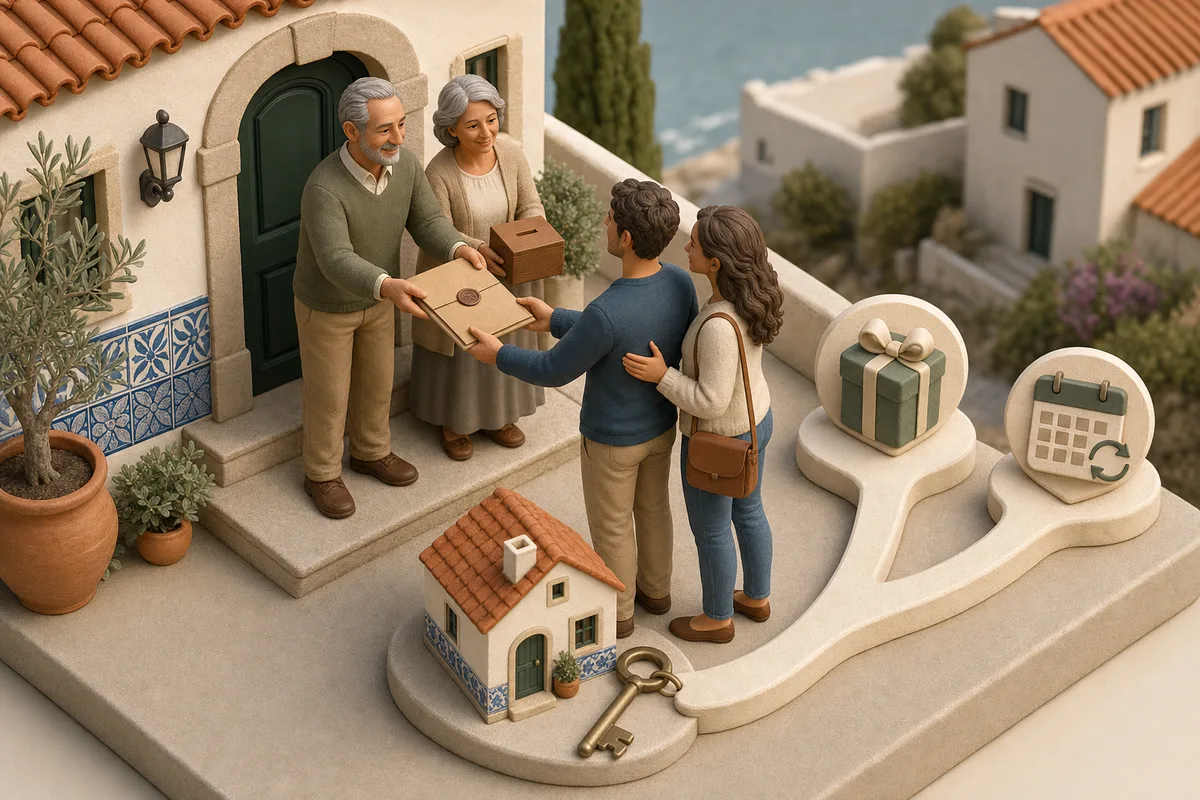
Your family will help with the home deposit. It sounds simple: they transfer the money and the buyer pays the reservation or deposit. But one question must be answered before the money leaves their account: is it a gift or a loan?
That choice changes the paperwork, bank assessment, possible Stamp Duty, repayment expectations and even the conversation about ownership. Do not leave the answer until after the CPCV.
Key takeaways
- Decide in writing whether the money must be repaid.
- Confirm the tax treatment before the transfer, not afterwards.
- Give the bank clear evidence of the source and nature of the funds early.
First: gift or loan?
A gift permanently increases the buyer's assets. A loan creates a repayment obligation. Calling the money “family help” does not settle that difference. The parties' real behaviour should match the document.
| Question | Gift | Loan |
|---|---|---|
| Will the money be repaid? | No. The transfer is permanent. | Yes, under a defined term and conditions. |
| What should be documented? | Donor, beneficiary, amount, date, relationship and no repayment obligation. | Amount, delivery, term, instalments, interest or no interest, default and discharge. |
| Should the bank know? | Yes, to prove the source of equity and that no hidden debt exists. | Yes. Repayment may affect affordability and the monthly budget. |
Do not use a “gift” letter if there is a side agreement to repay the money. And do not use an open-ended loan with no receipts or plan because “it is only family”. Both create questions for the bank, the Tax Authority and the family if relationships change.
A family exemption does not mean “no formalities”
The Portuguese Tax Authority distinguishes non-taxable amounts, exemptions and the duty to report free transfers. Spouses or de facto partners, ascendants and descendants receive more favourable treatment under the 10% Stamp Duty item. Do not confuse that with permission to receive any amount without checking the reporting requirement.
A home deposit is usually large enough to justify checking with an accountant, lawyer or the Tax Authority before the transfer. Confirm:
Before receiving a gift
- each donor and beneficiary, their tax numbers and relationship;
- whether the amount is non-taxable, exempt or taxable;
- whether Model 1 and annexes are due and the deadline;
- which statements, transfer receipt and relationship evidence to keep;
- how to handle money from abroad or from several relatives.
A loan is analysed differently. The General Stamp Duty Table taxes the use of credit according to its term. A family loan may require a contract, assessment and tax payment even if it is interest-free. Define the real term first and ask a professional to confirm who reports, how much and when.
Prepare the source of funds before the bank asks
The bank assesses income, expenses and liabilities before final mortgage approval. It may also request information about the origin and destination of the funds. The estate agent and completion professional have similar identification and control duties.
Do not make several unexplained transfers in the week before completion. Build a small file and give it to the mortgage manager early.
Family-support file
- signed gift declaration or loan agreement;
- identification and tax number of sender and recipient;
- statement showing where the money came from;
- transfer receipt between identified accounts;
- evidence of tax reporting or payment when applicable;
- stated purpose: CPCV deposit, equity, taxes or final price.
For a loan, tell the bank the instalment, term and balance. Hiding family debt to improve affordability can delay or compromise the application when account movements or further questions reveal it.
When buying as a couple, align money and ownership
Imagine one buyer's parents provide the whole deposit, but the couple buys in equal shares and both sign the mortgage. The gift, home ownership, mortgage debt and any private adjustment between the couple are four different questions.
Before the CPCV, tell the lawyer or solicitor:
- who receives the gift or owes the family loan;
- who will buy and in which proportions;
- who signs and pays the mortgage;
- whether repayment is expected on separation or sale;
- how the matrimonial property regime may affect the result.
Do not assume the parents' transfer automatically creates a share in the home, or that a private message changes the title. If contributions and shares differ, document the solution before signing.
Do not rely on family money that is not ready
The CPCV sets the deposit, completion deadline and default consequences. If the purchase depends on family help, confirm before paying the deposit:
Green lights before the CPCV
- Green: gift/loan decision made and document reviewed;
- Green: funds available and transfer authorised;
- Green: bank accepted the explanation and evidence;
- Green: tax/reporting treatment and deadlines confirmed;
- Green: buyers, ownership shares and finance aligned.
If any light is red, reduce the deposit, delay signing or negotiate an appropriate condition. A finance clause may help, but it does not replace the equity or fix a poorly prepared gift or loan.
Frequently asked questions
Does a gift from parents to children pay Stamp Duty?
Can I call a loan a gift so the bank accepts it?
Should the family transfer directly to the seller?
Next step
Before receiving the money, send the bank and your legal professional one page stating: who pays, who receives, amount, date, gift or loan, origin, purpose and available evidence. If you cannot complete one line, you are not ready to use that support for the CPCV.
More guides
June 19, 2026
CPCV deposit in Portugal: defaults, refunds and double repayment
Learn when a buyer may lose the CPCV deposit, when seller default can mean double repayment, and which mortgage and payment protections to put in writing.
August 7, 2026
Damp and water ingress: investigate before the CPCV
How to record signs, diagnose the source, check the condominium and require proof of repair before buying a home in Portugal.